
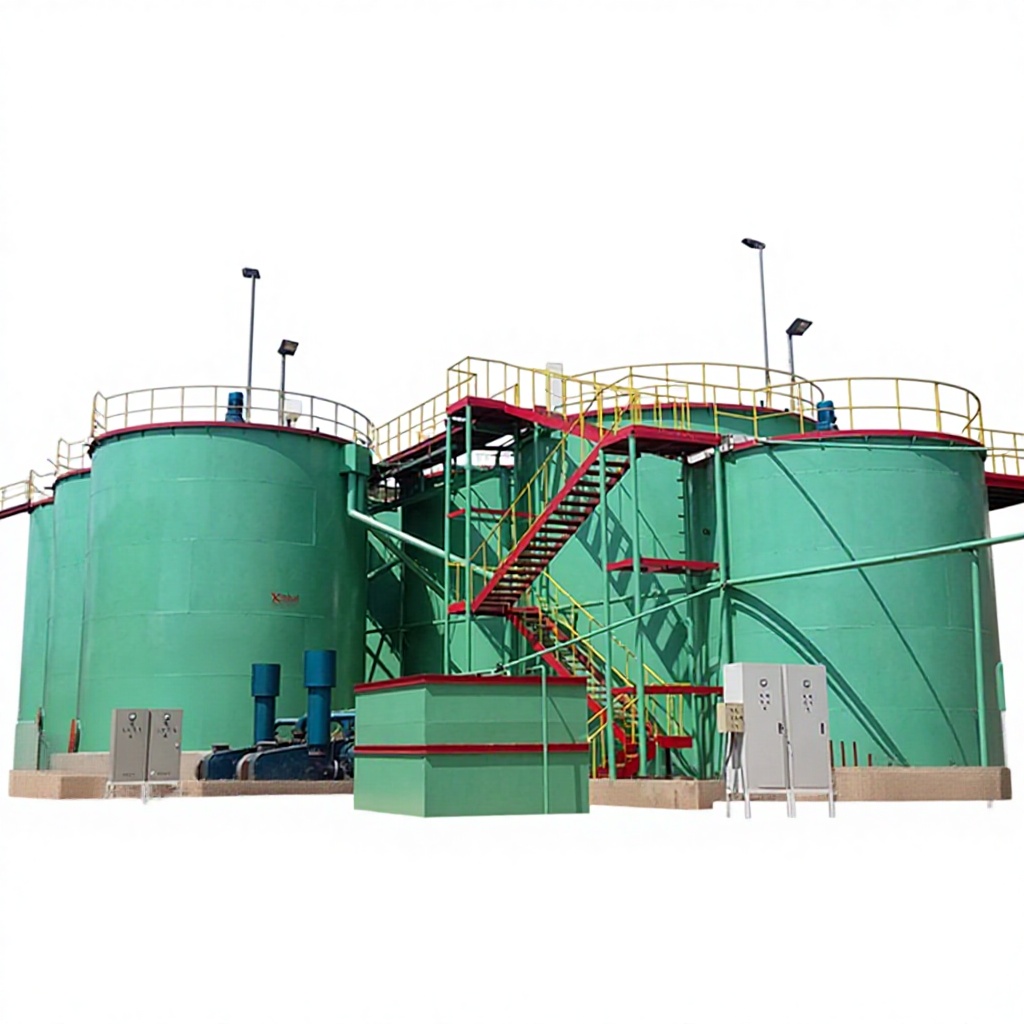
Typical process flow
- 1Crushing & screening
Run-of-mine ore is reduced in stages to a ball-mill feed below 10-15 mm with jaw and cone crushers closed by screens.
- 2Grinding & classification
A wet ball mill closed with hydrocyclones grinds to 70-85% passing 75 micron; fine silver minerals usually need finer grinding than gold.
- 3Concentration route selection
Sulphide and silver-gold ores are floated to a concentrate; free-milling silver is cyanide-leached directly. Mineralogy decides which, or both.
- 4Leaching (cyanidation)
Silver is dissolved in agitated cyanide tanks, often at longer residence and higher cyanide than gold because silver minerals dissolve more slowly.
- 5Recovery: Merrill-Crowe or CIL
High-silver solutions are precipitated with zinc dust (Merrill-Crowe); lower-tenor or silver-gold solutions can use carbon-in-leach (CIL).
Silver is rarely a simple ore. It occurs as sulphides such as argentite, as native silver, locked in galena, and very often alongside gold. That variety means there is no single silver flowsheet; the right route, flotation, cyanidation, or a combination, depends on how the silver is mineralized and how much of it there is. Two design decisions dominate: whether to concentrate by flotation before leaching, and how to recover silver from the leach solution, Merrill-Crowe or carbon-in-leach.
Flotation, cyanidation, or both
Where silver sits in sulphides or with galena, froth flotation produces a silver-rich concentrate that can be sold or leached intensively, and in lead-zinc ores the silver naturally follows the lead concentrate. Where silver is free-milling and amenable, direct cyanide leaching dissolves it, much as for gold. Many ores justify both: flotation to make a high-grade concentrate, then cyanidation of that concentrate at high reagent strength. The key difference from gold is kinetics, silver minerals generally dissolve more slowly than native gold, so silver cyanidation runs at longer residence times and higher cyanide concentrations, which the leach circuit must be sized for.
The recommended flowsheet
Crushing, grinding and classification
Ore is crushed with a jaw crusher and cone crusher, then ground in a wet ball mill closed with a hydrocyclone cluster, typically to 70-85% passing 75 micron. Fine-grained silver minerals usually need a finer grind than gold to liberate and to expose surfaces for leaching.
Concentration and leaching
For sulphide and silver-gold ores, a rougher-cleaner circuit of mechanical flotation cells, part of the broader flotation equipment range, produces a silver concentrate. Free-milling silver is leached in cyanide agitation tanks sized for the slower silver dissolution kinetics. The complete gold and silver extraction range covers leach and recovery duties.
Recovery: Merrill-Crowe vs CIL
This is the defining choice for silver. Merrill-Crowe precipitates silver (and gold) from a clarified, deaerated pregnant solution with zinc dust, and it is the preferred route for high-silver ores because activated carbon has limited loading capacity and is slow to strip the large mass of silver involved. For lower-silver or silver-gold ores, a carbon-in-pulp or CIL plant with a elution and electrowinning system is simpler and avoids solid-liquid separation. As a rule of thumb, the higher the silver tenor, the more Merrill-Crowe wins. For the leaching trade-offs behind these routes, see our guide to CIL vs CIP vs heap leach.
Dewatering and refining
Precipitate or loaded-carbon product is smelted to doré; tailings are detoxified, thickened on a thickener and stored with process water recycled.
Design choices that drive results
- Mineralogy: sulphide vs free vs refractory silver decides flotation-versus-leach and whether pre-treatment is needed.
- Silver tenor: the main driver of Merrill-Crowe vs CIL; high silver favors zinc precipitation.
- Gold association: silver-gold ores often suit a combined circuit; both metals report to doré.
- Cyanide and residence: sized higher and longer than for gold because silver dissolves more slowly.
Because silver mineralogy varies so widely, the flotation-versus-leach split and the recovery route must be set from testwork, not assumed. Xinhai runs the ore test, designs the flowsheet and delivers the complete processing plant under an EPC+M+O contract. To choose between flotation, cyanidation, Merrill-Crowe and CIL for your ore, contact us for an ore test.
Frequently Asked Questions
Should I use Merrill-Crowe or CIL for silver recovery?
It depends on silver tenor. Merrill-Crowe precipitates silver from a clarified, deaerated solution with zinc dust and is preferred for high-silver ores, because activated carbon has limited capacity for the large mass of silver involved. CIL or CIP suits lower-silver and silver-gold ores and avoids solid-liquid separation. As a rule, the higher the silver grade, the more Merrill-Crowe is favored.
Can silver be recovered by flotation alone?
Often, yes, where silver occurs in sulphides or with galena. Flotation produces a silver-rich concentrate that can be sold to a smelter or leached intensively. In lead-zinc ores, silver typically reports to the lead concentrate. Free-milling or oxidized silver, however, may not float well and is better suited to direct cyanide leaching. Mineralogy determines whether flotation, leaching, or both are used.
Why does silver leach more slowly than gold?
Silver minerals such as argentite and silver sulphosalts dissolve in cyanide more slowly than native gold, and some silver minerals are partly refractory. To compensate, silver cyanidation circuits use longer residence times and higher cyanide concentrations than gold-only circuits. The leach tank volume and reagent dosing are therefore sized specifically for silver kinetics, which is established during ore testwork rather than assumed from gold practice.
What silver recovery is achievable?
A well-designed flowsheet typically recovers 80-95% of the silver, with the route and ore type setting where it lands. Clean sulphide and free-milling ores recover at the high end, while refractory or finely locked silver recovers less and may need pre-treatment. Because silver mineralogy varies widely, recovery is established from testwork on your specific ore rather than promised as a fixed figure.
Can silver and gold be recovered together?
Yes, and they frequently occur together. A combined cyanidation circuit dissolves both metals, and both report to the final doré bullion. The recovery route is chosen on the combined precious-metal profile: high-silver doré ores often favor Merrill-Crowe, while gold-dominant ores with modest silver suit CIL or CIP. Testwork on the gold-to-silver ratio guides the flowsheet and recovery method.
Related projects
500 t/d Gold CIP Plant — Sudan
Typical 90-94% Au recovery on free-milling ore; compact CIP layout for fast deployment
Read case →
1,500 t/d Copper Flotation Plant — DR Congo
Typical 88-93% Cu recovery to a saleable concentrate; conventional sulfide flotation flowsheet
Read case →1,000 t/d Gold CIP Plant — Nicaragua
Typical 90-95% Au recovery on clean free-milling ore; CIP route lowered carbon cost
Read case →