
A mineral processing plant is the full circuit that turns run-of-mine ore into a saleable concentrate, combining crushing, grinding, separation and dewatering. Xinhai delivers these as turnkey EPC+M+O projects, designing the flowsheet from ore-test data, manufacturing the equipment, and commissioning the plant for gold, chrome and lithium ores.
A mineral processing plant is not one machine but an integrated circuit sized to a specific orebody. The right design starts with a representative ore sample, a mineralogical study and bench/pilot test work, which together fix the grind size, the separation method and the expected recovery. Buying individual units without that groundwork is the most common cause of underperforming plants.Xinhai delivers complete plants under its EPC+M+O model, covering engineering, in-house equipment manufacture, construction and operator training so a single contract carries the recovery responsibility from ore to concentrate. Three representative configurations anchor this hub. The CIP gold processing plant suits free-milling and moderately refractory gold ores, pairing grinding with carbon-in-pulp adsorption for 90-96% typical recovery. The chrome ore processing plant is a gravity-led line for alluvial and hard-rock chromite, using jigs, spirals and shaking tables to reach 40-46% Cr2O3 concentrate without reagents. The spodumene lithium processing plant combines crushing, dense-medium pre-concentration, flotation and magnetic cleaning to lift run-of-mine spodumene to a 5.5-6% Li2O concentrate at 100-4,000 t/d.Choosing a plant comes down to ore type, head grade, target product spec, water availability and site power. Gravity-recoverable gold favors a gravity-plus-leach hybrid; sulphide-locked metals need flotation; magnetic ores route through magnetic separation. Every plant shares a comminution front end, so the grinding circuit specification often drives the largest share of capex and power draw.It helps to think of any plant as four blocks in series: comminution (crushing and grinding) to liberate the minerals, concentration (gravity, flotation, magnetic or leaching) to recover them, dewatering to produce a saleable product and recover water, and the materials handling that links them. The concentration step is the one that varies most by ore, while the front and back ends are broadly common across metals, which is why a single supplier can standardize much of the plant and customize where it matters. Water and power infrastructure should be scoped early, since they often constrain remote sites more than the equipment itself. Modular, skid-mounted configurations shorten installation and suit phased expansions, letting an operation start at a proven throughput and scale once the orebody and market are confirmed.For a side-by-side view of how the major unit operations fit together, read our guide on what a mineral processing EPC project involves. When you are ready, share your ore type, target throughput and assay and we will return an indicative flowsheet and budget via the contact page.
Mineral Processing Plants models
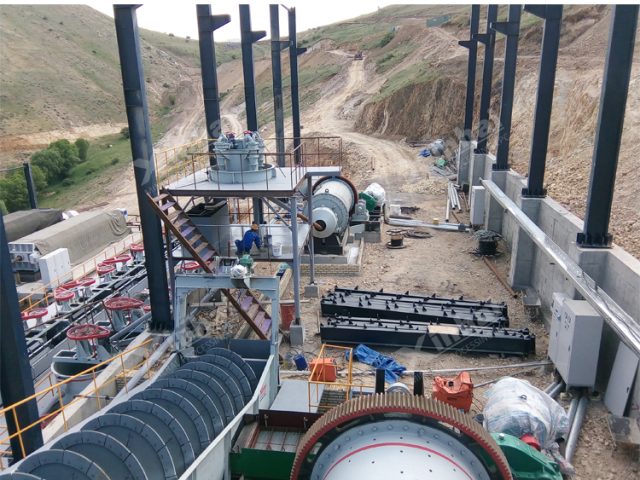
Spodumene Lithium Processing Plant (1,000 tpd)
200–2,000 t/d (1,000 tpd base, configurable)
View details →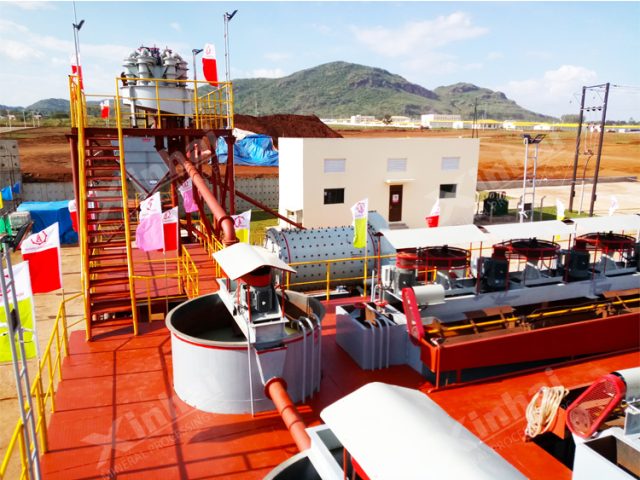
Chrome Ore Processing Plant (Gravity, Alluvial)
10–500 t/d (configurable)
View details →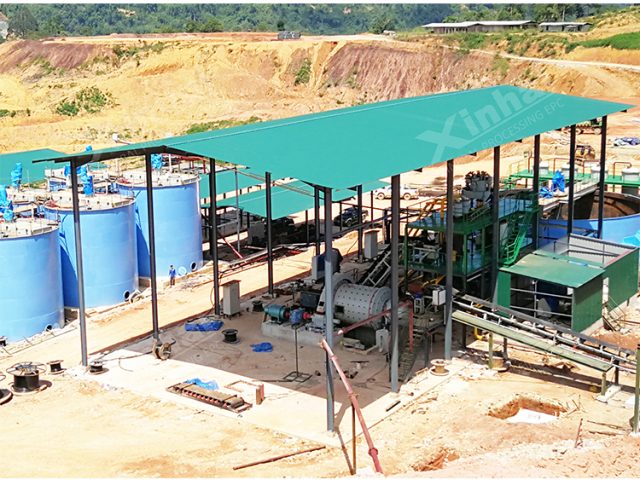
CIP Gold Processing Plant (Carbon-in-Pulp)
50–3,000 t/d (configurable)
View details →Frequently asked questions
How much does a complete mineral processing plant cost?
Turnkey plant pricing depends on throughput, ore complexity and how many unit operations the flowsheet needs. Small modular gold lines start near US$90,000-160,000, while larger multi-stage chrome or lithium plants scale with capacity. The most reliable figure comes after ore testing, so send your assay and target tonnage for an indicative quote.
What is included in an EPC+M+O plant contract?
EPC+M+O covers Engineering (ore testing, flowsheet and plant design), Procurement (in-house equipment manufacturing), Construction (installation and commissioning), plus Management and Operation (operator training and production ramp-up). It places single-source responsibility for guaranteed throughput and recovery with one supplier rather than splitting it across several vendors.
Can the plant be customized for my specific ore?
Yes. Xinhai designs every plant around a representative ore sample and test work, so the flowsheet, grind size and separation method match your mineralogy. Capacities from roughly 50 t/d pilot lines to several thousand tonnes per day are configurable, and OEM/ODM construction lets us tailor equipment selection, layout and automation to your site.
How long does it take to build and commission a plant?
Lead time depends on plant size and shipping distance, but a typical modular plant runs roughly 3-6 months from order to delivery, plus on-site installation and commissioning. Ore testing and flowsheet design add upfront time but reduce commissioning risk, so we recommend starting that phase as early as possible.