
Screening separates material by size, scalping oversize from crushed product, sizing feed for downstream stages, and washing clay from alluvial ore. Trommel screens wash and size sticky alluvial gold feed; circular vibrating screens make high-capacity dry size cuts in crushing circuits. Xinhai sizes the screen to your feed type, deck count and tonnage.
Screening is the mechanical sizing step that keeps a plant’s size fractions in the right place. It scalps oversize ahead of a crusher, splits crushed product so only correctly sized material moves forward, and washes clays and fines from alluvial feed before concentration. Unlike classification, which sorts fine slurry hydraulically, screening makes physical size cuts on coarser dry or washed material using apertured decks.This hub covers two machine families. The gold trommel screen is a rotating drum screen that simultaneously washes and sizes sticky alluvial and clay-bound gold gravels, scrubbing material as it tumbles so liberated gold reports cleanly to downstream gravity recovery; it excels where feed is wet and dirty. The circular vibrating screen uses an eccentric drive to throw material in a circular motion across inclined decks, making high-capacity size cuts in hard-rock crushing and screening circuits, with single or multiple decks for several product sizes at once.Selection depends on feed type (washed alluvial versus dry crushed rock), required number of size cuts, screen aperture and capacity. Sticky, clay-rich feed favors a trommel for its washing action; clean high-tonnage crushed rock favors vibrating screens. Screens work hand-in-hand with the crushing circuit, returning oversize for re-crushing, and they prepare correctly sized feed for gravity concentration. Feed is metered to the screen by a vibrating feeder.Screen capacity is set by deck area, aperture size and the open area of the screening media, and it falls as the cut gets finer because near-size particles are slower to pass. A common rule of thumb is to keep feed depth on the deck moderate so particles can stratify and present themselves to the apertures; overloading a screen simply carries undersize over the end with the oversize. Media choice also matters: woven wire gives the highest open area, while polyurethane and rubber panels last far longer on abrasive feed and resist blinding from near-size or moist particles. We specify deck count, aperture and media together so the screen delivers a clean cut at your design tonnage without blinding or carryover.For where screening sits in a small alluvial plant, see our small-scale gold processing plant guide. Tell us your feed type, target cut sizes and tonnage on the contact page and we will size the screening stage.
Screening Equipment models
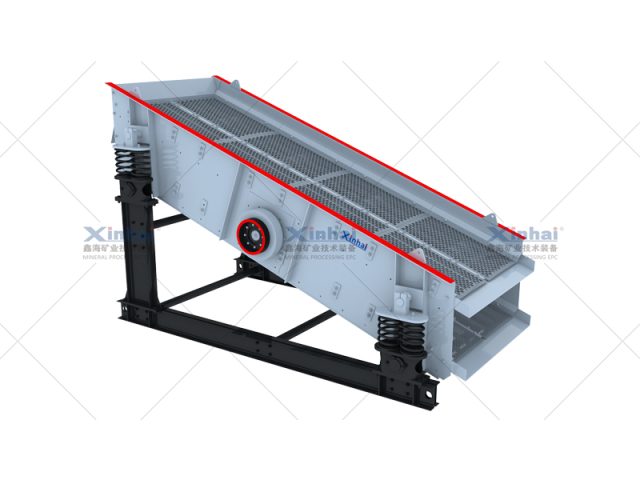
Circular Vibrating Screen (YK Series) | Mining Screen
10-600 t/h (configurable)
View details →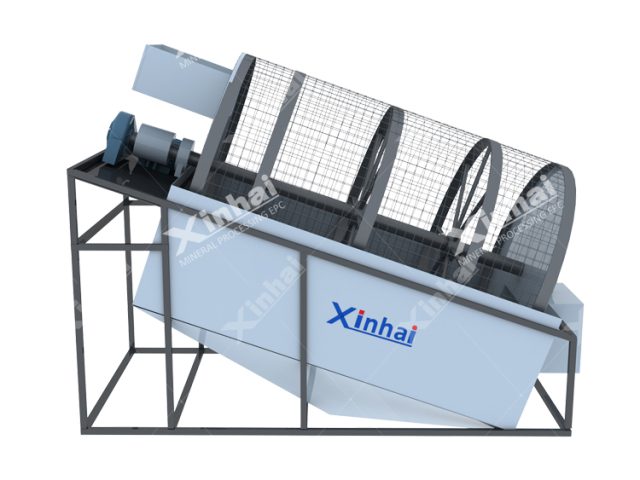
Gold Trommel Screen | Rotary Wash & Scrubbing Plant
10-200 t/h (configurable)
View details →Frequently asked questions
Trommel or vibrating screen, which suits my feed?
Choose a trommel screen for wet, clay-bound alluvial feed because its rotating drum washes and scrubs material while it sizes, liberating fine gold from sticky gravels. Choose a circular vibrating screen for dry crushed hard rock and high tonnage, where its multiple decks make several clean size cuts at once. Feed moisture and stickiness usually decide.
How many decks does a vibrating screen need?
Deck count equals the number of size fractions you need minus one. A single deck makes two products (oversize and undersize); a double deck makes three. More decks let you produce several sized products in one pass but reduce capacity per deck. We specify decks and apertures from your required product sizes and tonnage.
What aperture size should I choose?
Aperture is set by the size cut you need: it should match the maximum size you want to pass to the next stage, such as the mill or gravity unit. For crushing circuits the screen aperture closes the loop by returning oversize to the crusher. We select aperture and screen media (woven wire, polyurethane or rubber) for your size cut and abrasiveness.
Can a trommel screen handle high clay content?
Yes, that is its strength. The rotating drum combined with water sprays scrubs and disintegrates clay, washing fines and liberating trapped gold from cemented alluvial material that would blind a flat vibrating screen. For very heavy clay we can add a scrubber section or longer drum residence time to ensure thorough washing.