
Gold extraction dissolves gold from ground ore using cyanide leaching, then recovers it onto activated carbon (CIP/CIL) and strips it to dore via elution and electrowinning. Xinhai supplies leaching agitation tanks, complete CIP plants and elution-electrowinning systems, covering the full hydrometallurgical chain for free-milling and moderately refractory gold ores.
Gold extraction is the hydrometallurgical end of a gold flowsheet, where dissolved gold is recovered as a saleable dore bar. After grinding and usually a gravity stage, the ore is cyanide-leached in agitated tanks; gold goes into solution and is then adsorbed onto activated carbon. In CIP (carbon-in-pulp) the carbon contacts pulp after leaching; in CIL (carbon-in-leach) leaching and adsorption happen together, suiting ores with preg-robbing carbon. Loaded carbon is finally stripped and the gold electrowon and smelted.This hub supplies the whole chain. The gold leaching agitation tank provides the residence time and aeration for cyanidation, typically 24-48 hours across a tank train. The gold CIP plant packages leach and adsorption tanks, carbon transfer, screens and controls into a complete circuit, with modular lines around 100-120 t/d and larger configurations available. The gold elution and electrowinning system closes the loop, stripping loaded carbon, plating gold in electrowinning cells, and regenerating carbon for reuse. Together these reach typical overall gold recoveries of 90-96% on amenable ores.Choosing CIP versus CIL depends on ore behavior, leach kinetics and whether organic carbon is present. Upstream, most gold plants run a gravity stage to capture coarse free gold before leaching, fed by the grinding circuit. Leach efficiency and reagent cost depend heavily on grind size, dissolved oxygen and cyanide control.Sizing a leach circuit starts from the leach curve: ore-test work measures how recovery climbs with time, which fixes the total tank volume needed for the target residence time at your throughput. Finer grinding speeds dissolution but costs grinding energy, so there is an economic optimum grind rather than simply the finest. Cyanide and lime consumption, set during testing, are usually the largest reagent costs, and tight on-line control of cyanide concentration and pH keeps both recovery high and reagent spend in check. For ores where sulphides lock the gold, a pre-oxidation step ahead of leaching is often the difference between a payable and an unpayable recovery, so we flag refractoriness early in the test program rather than discovering it at commissioning.For the route comparison, read CIL vs CIP vs heap leach, and for operating economy see cutting reagent and energy costs in cyanidation. Send your ore assay and tonnage via the contact page for a tailored circuit.
Gold Extraction (CIL/CIP/Elution) models
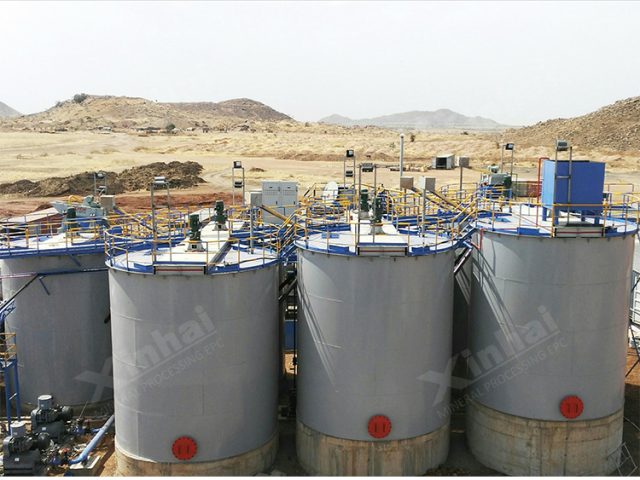
Gold CIP Plant (120 TPD, High Recovery)
120 t/d base (50–500 t/d configurable)
View details →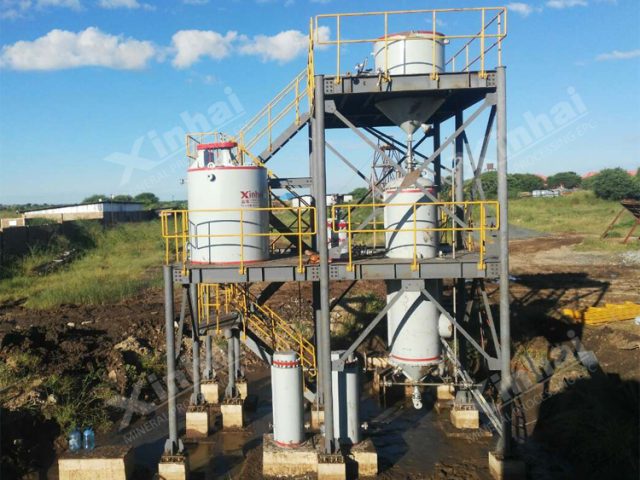
Gold Elution & Electrowinning System (Desorption)
1–10 t/batch carbon (configurable)
View details →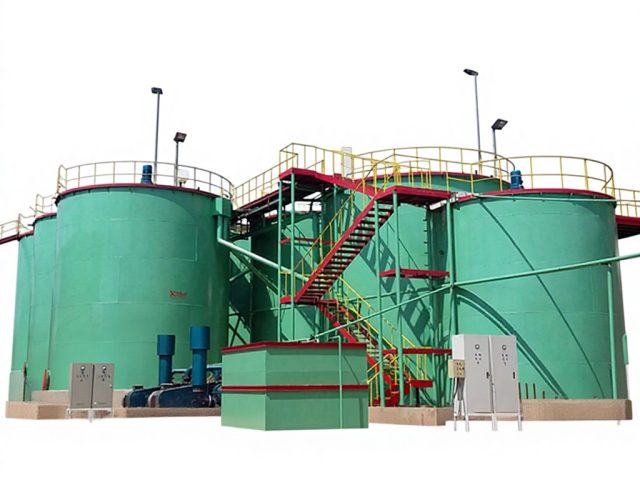
Gold Leaching Agitation Tank (Double Impeller)
6–360 m³ per tank (configurable)
View details →Frequently asked questions
What is the difference between CIP and CIL?
In CIP (carbon-in-pulp) the ore is leached first, then activated carbon adsorbs the dissolved gold in separate tanks. In CIL (carbon-in-leach) leaching and carbon adsorption happen in the same tanks at once, which suits ores containing preg-robbing organic carbon. CIL needs fewer tanks; CIP can give slightly better carbon management. Ore test work decides.
What gold recovery can a CIP plant achieve?
On free-milling and moderately refractory ores, a well-run gravity-plus-CIP or CIL circuit typically recovers 90-96% of the gold, with the exact figure set by mineralogy, grind size and leach conditions. Refractory ores locked in sulphides recover lower and may need pre-oxidation. We frame recovery as an achievable range confirmed by leach tests.
How long does cyanide leaching take?
Cyanidation residence time is typically 24-48 hours, achieved by sizing a train of agitation tanks for the required total volume. Finer grinding, adequate dissolved oxygen and correct cyanide concentration speed dissolution. The tank count and volume are set from leach-kinetics data so the circuit reaches target recovery at your throughput.
Do you supply the elution and electrowinning section?
Yes. The elution and electrowinning system strips gold from loaded carbon using a hot caustic-cyanide solution, plates it onto cathodes in electrowinning cells, and regenerates the carbon for reuse. The cathode sludge is then smelted to dore. We supply this as a packaged section or as part of a complete CIP/CIL plant.