What a gold trommel does in a placer plant
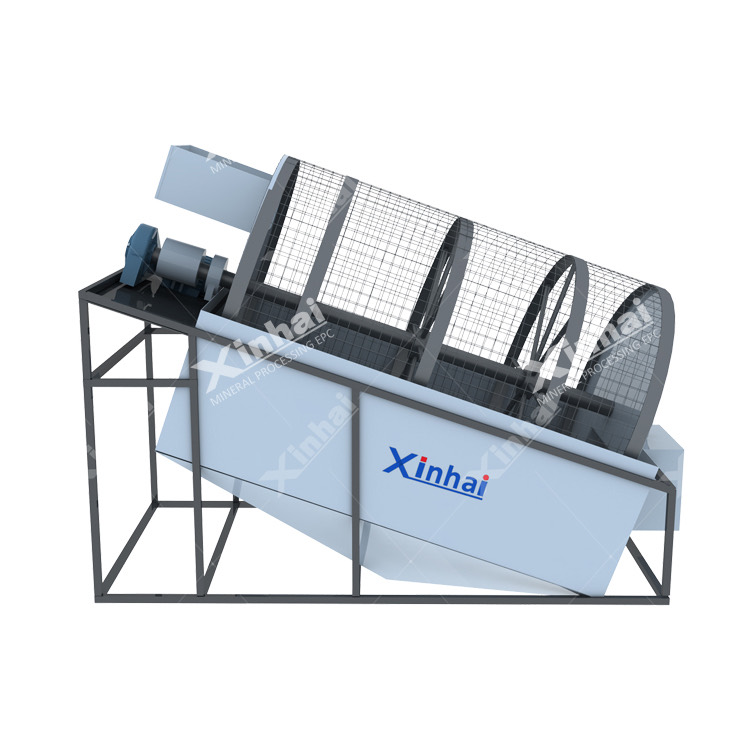
The gold trommel screen is the front end of most placer and alluvial gold operations. Run-of-mine gravel is fed into a slowly rotating perforated drum where high-pressure water sprays scrub clay and liberate fine gold. Undersize fines pass through the screen and report to gravity recovery, while oversize cobbles and trash tumble out the end. It combines washing, scrubbing and sizing in one unit, which is why it is the workhorse of mobile and semi-mobile wash plants.
How it works
The drum is lined with screen panels (commonly 6-20 mm aperture) and inclined a few degrees toward discharge. As it rotates, lifters cascade the material through the spray bars, dispersing sticky clay so liberated gold can pass through the screen. The clean undersize slurry then flows to a centrifugal concentrator or sluice for recovery.
Selection logic
Trommel sizing comes down to feed rate, clay content and the gold’s size distribution. A rule of thumb: choose screen aperture just above the coarsest gold you expect to lose, so nuggets that should report to oversize do not blind the screen. Heavy clay needs longer drum residence time and more water (typically 1-3 m³ of water per m³ of feed). Xinhai builds the drum length, aperture and spray layout around your specific ground conditions.
- Wash, scrub and size in a single drum
- Replaceable screen panels in rubber or steel
- Adjustable spray bars for clay-heavy ground
- Skid or wheel-mounted options for mobile sites
Throughput, water and recovery
Realistic placer recovery depends far more on liberating fine gold than on raw drum capacity, so resist over-feeding: a trommel run within its rated tonnage and well watered passes more gold than one choked with dry, sticky feed. Worn screen panels and pegged apertures are the most common causes of gold loss, so panels are designed for quick swap-out.
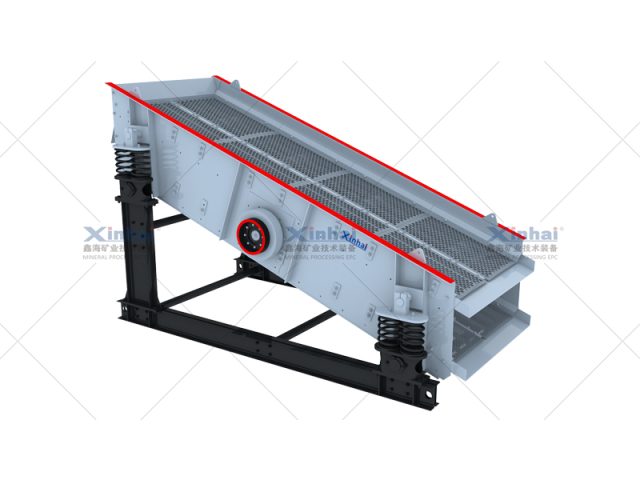
For dry or hard-rock screening compare the circular vibrating screen, and see the full screening equipment range. A trommel typically anchors a complete gold processing plant; for help matching aperture and capacity to your ground, contact our engineers.
Technical Specifications
| Capacity | 10-200 t/h (configurable) |
|---|---|
| Screen aperture | 6-20 mm (customizable) |
| Drum diameter | 0.9-2.4 m |
| Motor power | 5.5-55 kW |
| Water demand | ~1-3 mu00b3 per mu00b3 feed |
| Screen panels | Replaceable rubber / perforated steel |
| Mounting | Stationary, skid or wheel-mounted |
| Application | Placer / alluvial gold, sand & gravel washing |
| Customization | OEM / ODM, sized to your ground |
Frequently Asked Questions
What capacity gold trommel do I need?
Capacity depends on feed tonnage, clay content and gold size. Xinhai trommels cover roughly 10-200 t/h. Clay-heavy ground needs longer drum residence and more water, which lowers effective throughput, so we size drum length and spray volume to your ground rather than to a peak number on paper.
What screen size should the drum have?
Choose the aperture just above the coarsest gold you expect, so nuggets report correctly and fines pass to recovery. Common placer apertures run 6-20 mm. Xinhai can supply multiple panel sizes so you can tune the cut as you learn your deposit's gold distribution.
How much water does a trommel use?
Typically 1-3 cubic meters of water per cubic meter of feed, more for clay-rich ground. Adequate, well-distributed spray is what breaks down clay and liberates fine gold, so under-watering is a common cause of gold loss. Many sites recycle wash water through a thickener or settling pond.
Can a trommel recover the gold by itself?
No. A trommel washes, scrubs and sizes the feed but does not concentrate gold. The screened undersize slurry must report to a gravity device such as a centrifugal concentrator, sluice or shaking table for actual recovery. The trommel's job is to liberate and present clean, sized feed to those recovery units.