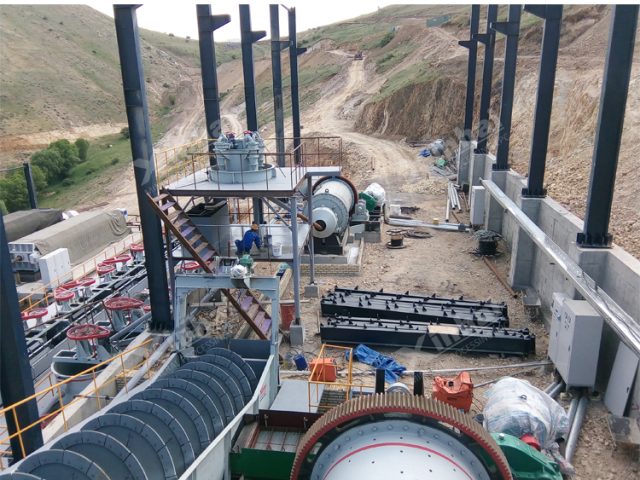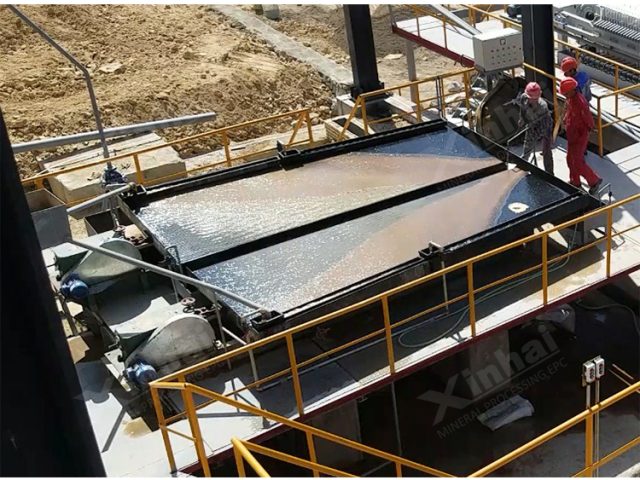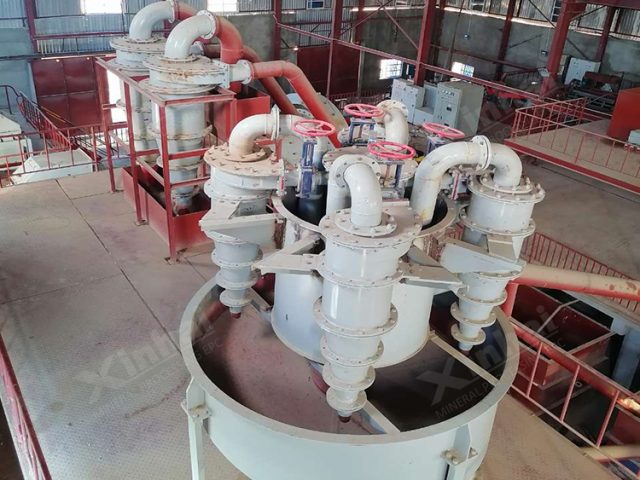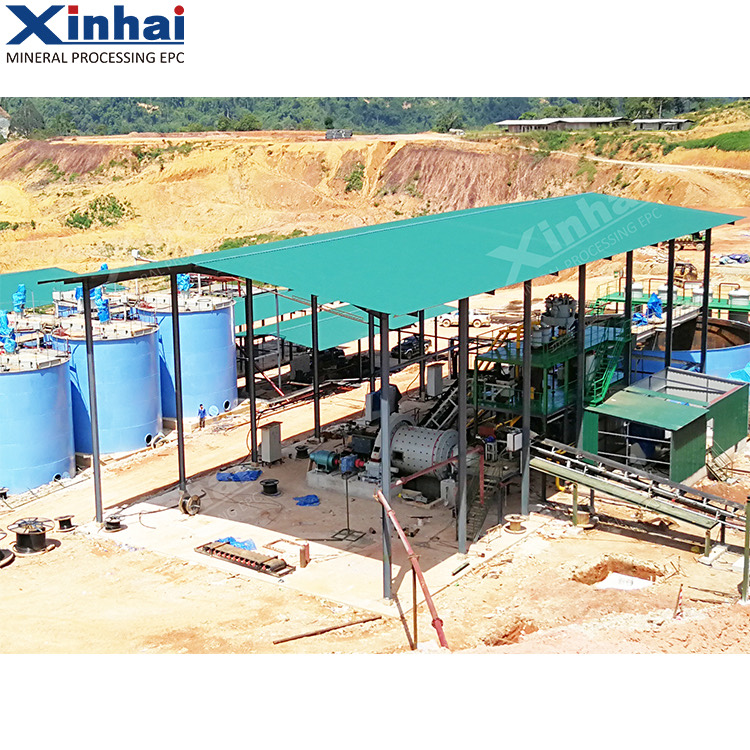
A mineral processing EPC project delivers a complete concentrator under one contract: Engineering (ore testing, flowsheet and plant design), Procurement (equipment manufacturing), and Construction (installation and commissioning). The EPC+M+O model extends this with Management and Operation, adding operator training and production ramp-up so a single provider is accountable from ore sample to steady output.
For a mine owner, building a processing plant means coordinating ore testing, flowsheet design, dozens of equipment suppliers, civil works, installation and commissioning, and then learning to operate it. Splitting those across many contractors creates interface gaps where no one owns the result. The EPC and EPC+M+O models exist to close those gaps by putting one provider in charge of the whole chain. Here is what that actually means.
What the EPC acronym covers
EPC stands for Engineering, Procurement and Construction. In mineral processing it means a single contractor takes your ore and target output and delivers a working plant:
- Engineering – ore sampling and metallurgical testwork, flowsheet development, mass balance, equipment sizing, and full plant and civil design.
- Procurement – sourcing or manufacturing every machine in the flowsheet, from crushers and mills to flotation cells, separators and the dewatering circuit.
- Construction – civil works, mechanical and electrical installation, and commissioning until the plant runs to specification.
What the +M+O adds
EPC+M+O extends the scope past commissioning into the period where most projects actually struggle – the first months of production:
- Management – production management support, process optimization and troubleshooting as feed is introduced.
- Operation – operator and maintenance training, plus assistance through ramp-up until the plant hits its design grade and recovery.
This matters because a plant that is built correctly can still underperform if operators are not trained or the circuit is not tuned to the real ore. EPC+M+O keeps the designer involved until the numbers are met.
EPC vs traditional multi-contractor delivery
| Aspect | Multi-contractor | EPC+M+O (single source) |
|---|---|---|
| Accountability | Split across parties | One responsible provider |
| Interface risk | High (gaps between scopes) | Low (one integrated design) |
| Design-to-equipment fit | Buyer must coordinate | Equipment sized to the flowsheet |
| Schedule control | Owner manages many fronts | Provider manages the program |
| Ramp-up support | Usually out of scope | Included (training, tuning) |
How a project typically runs
- Ore testing. Representative samples are tested for grade, mineralogy, hardness and recovery by method. This is the foundation of every later decision.
- Flowsheet and plant design. The metallurgical results drive the flowsheet, then a mass balance, equipment list and civil layout. Typical engineering takes a few months depending on plant size.
- Manufacturing and procurement. Equipment is built, commonly over several months, and inspected before shipment.
- Construction and commissioning. Civil works, installation, electrical, and wet commissioning until the plant reaches design throughput.
- Ramp-up and operation. Operator training and process tuning until target grade and recovery are sustained.
Why ore testing comes first
Everything in an EPC project flows from the metallurgical testwork, which is why a serious provider insists on it before quoting equipment. The testwork establishes head grade and mineralogy, the recovery achievable by gravity, flotation and leaching, the Bond work index that sizes the grinding mill, and reagent consumption. Skipping or shortcutting this step is the most common cause of plants that miss their design grade or recovery. With good testwork, the flowsheet, equipment sizes and expected metallurgy are all anchored in data rather than assumption, and the owner gets a realistic production forecast before committing capital.
Who it is for
EPC+M+O suits owners who want one accountable partner and a predictable path to production, especially first-time developers, remote sites, or projects in regions where assembling a multi-contractor team is impractical. It is also valuable where the ore is variable and the flowsheet must be designed from testwork rather than copied from another mine.
What to prepare before engaging a provider
- A representative ore sample – ideally covering the grade and mineralogy variation across the deposit, not just the best material.
- Target throughput – tonnes per day and expected operating hours, with any planned expansion.
- Site conditions – water and power availability, climate, access and elevation, all of which shape the design.
- Product and offtake requirements – the concentrate grade or dore specification your buyer demands.
What is included in the scope
A complete EPC+M+O scope typically covers metallurgical testwork, process and detailed plant design, civil and structural design, equipment manufacturing and procurement, transport and logistics, on-site installation and electrical work, wet and dry commissioning, operator and maintenance training, spare-parts packages, and ramp-up support to design capacity. Clarifying the exact boundary – what the owner provides locally (civil labor, utilities, tailings facility) versus what the EPC provider delivers – avoids the gaps that plague split contracts. A clear scope matrix agreed up front, listing each work package and who owns it, is one of the simplest ways to keep a project on schedule and on budget.
What single-source delivery looks like in practice
Because one provider designs the flowsheet and manufactures the equipment, every machine is sized to the duty rather than bought off a generic spec. A gold project, for example, integrates crushing, a grinding circuit, gravity and gold extraction stages that all balance to the same tonnage. A complete build like a CIP gold processing plant arrives as one coordinated package rather than a parts list to assemble. The same applies to copper, lithium, iron and other ores across the full equipment range.
Xinhai’s EPC+M+O model
Xinhai has delivered mineral processing projects under the EPC+M+O model for over 18 years, with in-house metallurgical testing, plant design, a manufacturing works in Yantai, and field teams for installation, commissioning and operator training. Capacities are configurable from small-scale plants to several thousand tonnes per day, sized to your tested ore. To see the full scope and how a project is staged, read the EPC+M+O services page, then send your ore details through the contact page to begin testwork.
Frequently Asked Questions
What does EPC mean in mineral processing?
EPC means Engineering, Procurement and Construction. One contractor handles the metallurgical testwork and flowsheet design, manufactures or sources all the equipment, then installs and commissions the plant. Instead of coordinating many suppliers, the owner has a single party responsible for delivering a working processing plant sized to their ore and target output.
What is the difference between EPC and EPC+M+O?
EPC ends at commissioning. EPC+M+O adds Management and Operation: production management support, process optimization, operator and maintenance training, and assistance through ramp-up until the plant reaches design grade and recovery. The +M+O scope addresses the period where many new plants underperform, keeping the original designer involved until targets are met.
How long does an EPC mineral processing project take?
It varies with plant size and complexity, but engineering typically runs a few months, equipment manufacturing several months, and construction and commissioning a few more. A small plant can be faster; a large multi-stage concentrator longer. Xinhai gives a project schedule after reviewing your ore testwork and target throughput.
Is EPC delivery more expensive than buying equipment separately?
The equipment cost is comparable, but EPC reduces total project risk and often total cost by eliminating interface gaps, redesign and schedule slippage between contractors. Because the equipment is sized to one integrated flowsheet, you avoid mismatched capacities. The included ramp-up support also shortens the time to reach design output and revenue.
Can Xinhai handle ores other than gold under EPC?
Yes. Xinhai designs and builds EPC+M+O plants for gold, copper, lithium (spodumene), iron, chrome, tin, manganese, lead-zinc, fluorite, silica and kaolin. Each flowsheet is developed from testwork on your specific ore. Send a representative sample and your target throughput through the contact page to begin metallurgical testing.