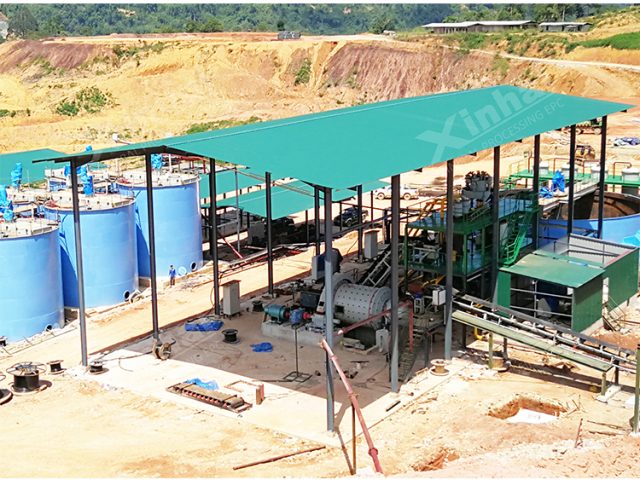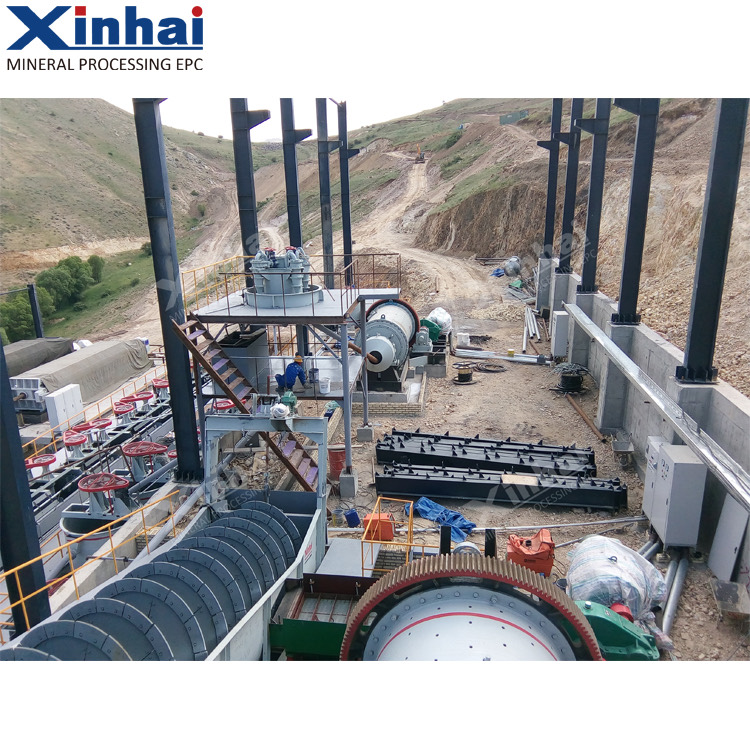
A spodumene flowsheet crushes and grinds ore, then upgrades it to a 5.5-6.5% Li2O concentrate using dense-media separation (DMS) for coarse feed and flotation for fines. Steps include crushing, grinding and classification, optional DMS, mica and iron removal, spodumene flotation, then dewatering. Typical recovery to concentrate is 65-85%.
Hard-rock lithium supply runs through spodumene, the lithium aluminosilicate mineral that, when upgraded to a 6% Li2O concentrate, feeds the converters that make lithium hydroxide and carbonate for batteries. Turning a 1-1.5% Li2O run-of-mine ore into that saleable concentrate is a classic comminution-plus-concentration problem, and the flowsheet choices, especially how much you separate by density versus flotation, drive both recovery and cost. This guide walks the flowsheet from ore to concentrate.
What you are trying to achieve
The target is a chemical-grade concentrate, conventionally 6% Li2O (5.5-6.5% range), with iron kept low because Fe2O3 is a penalty in converter feed. Run-of-mine spodumene ore commonly assays 0.8-1.5% Li2O, so the plant must reject a large mass of gangue, mainly quartz, feldspar and mica, while not losing the relatively heavy, brittle spodumene grains. Two properties make this possible: spodumene is denser (SG ~3.1-3.2) than the silicate gangue (SG ~2.6), and its surface can be selectively floated after careful conditioning.
The mass balance is unforgiving. Upgrading a 1% Li2O ore to a 6% concentrate means the concentrate is only about a sixth of the feed mass at best, so a large tonnage of gangue must be rejected cleanly without dragging spodumene to tailings. Two complications make spodumene harder than a textbook density or flotation separation. First, spodumene weathers to less recoverable forms near surface, so feed mineralogy varies with depth. Second, the surface chemistry of spodumene and the feldspar it must be separated from is similar, so flotation demands tight control of pH, conditioning and reagent dosing. These realities are why testwork, not a generic flowsheet, drives the design.
The flowsheet, stage by stage
1. Crushing
Three-stage crushing typically reduces ore to below 10-12 mm. A jaw crusher takes the primary duty and a cone crusher handles secondary and tertiary reduction. Spodumene is brittle, so crushing is kept controlled to avoid over-generating fines that are harder to treat by density.
2. Grinding and classification
Ore is ground to liberate spodumene from gangue, usually to a flotation feed around 65-80% passing 150-200 micron. A wet ball mill in closed circuit with a hydrocyclone or classifier controls the product size. Over-grinding is avoided because ultrafine spodumene floats and separates poorly.
3. Dense-media separation (optional, for coarse feed)
Where the ore liberates coarse, dense-media separation upgrades the coarse fraction cheaply by exploiting the SG difference, rejecting a large mass of light gangue before grinding and shrinking the flotation plant. DMS commonly produces a coarse 4-6% Li2O pre-concentrate and is a major cost lever when liberation allows it.
4. Desliming, mica and iron removal
Fines (slimes) are removed before flotation because they consume reagents and depress selectivity. Mica is floated off or removed ahead of spodumene flotation, and magnetic separation pulls iron-bearing minerals to protect concentrate grade. A wet drum magnetic separator is the standard tool for iron removal; see the full magnetic separation range.
5. Spodumene flotation
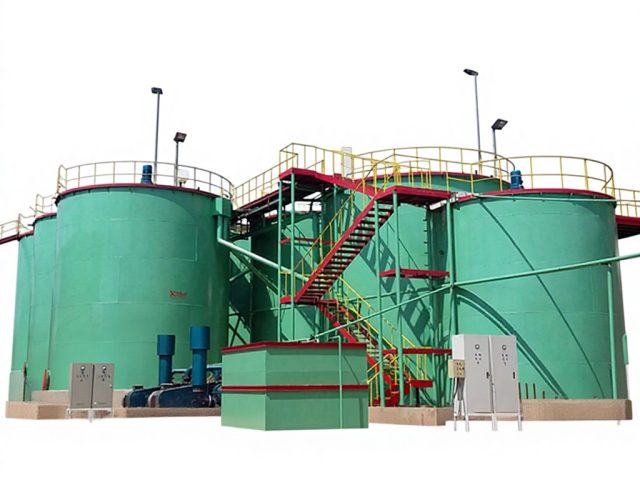
The deslimed pulp is conditioned, typically at elevated pH with a fatty-acid collector after surface activation, and spodumene is floated away from quartz and feldspar in a bank of cells. A mechanical flotation machine rougher, scavenger and cleaner train produces the final 6% Li2O concentrate. Flotation is essential for the fine fraction that DMS cannot treat. Explore the flotation equipment options for circuit sizing.
Conditioning is the make-or-break step. Spodumene surfaces are activated, often with a cation such as calcium and at high pH, before a fatty-acid or hydroxamate collector is added, so that spodumene floats while feldspar and quartz stay depressed. Reagent dosage, conditioning time and water quality all shift the selectivity, and small changes can swing the grade-recovery balance noticeably. Because the separation is this sensitive, the rougher concentrate is almost always cleaned in two or three stages, with cleaner tailings recirculated, to lift grade to specification without throwing away recoverable lithium.
6. Dewatering
The concentrate is thickened and filtered to a shippable moisture. A thickener recovers process water and a filter produces cake, while tailings are dewatered for storage. Water recovery matters because many lithium projects sit in arid regions.
DMS vs flotation: where each fits
| Route | Feed size | Concentrate grade | Recovery | Cost |
|---|---|---|---|---|
| Dense-media separation | Coarse (~0.5-10 mm) | 4-6% Li2O | Moderate; rejects fines | Low operating cost |
| Flotation | Fine (<0.2 mm) | 5.5-6.5% Li2O | Higher on fines | Higher reagent cost |
| Combined DMS + flotation | Full size range | 6% Li2O | Highest overall (65-85%) | Balanced |
Most modern hard-rock plants combine the two: DMS handles the coarse, well-liberated fraction at low cost and flotation recovers the fines, giving the best overall recovery. The right split depends entirely on liberation, which is why a metallurgical test program comes first. As a rule of thumb, the coarser and better-liberated the spodumene, the more of the upgrade work DMS can do cheaply, shrinking the flotation plant; finely intergrown ores push more mass into flotation and raise reagent cost. A heavy-liquid separation test on sized fractions quickly shows how much DMS can achieve before any flotation testing begins.
Typical performance and the role of testing
- Feed grade: 0.8-1.5% Li2O run-of-mine.
- Concentrate grade: 5.5-6.5% Li2O, with Fe2O3 controlled below the converter penalty.
- Overall recovery: typically 65-85%, depending on fines content and liberation.
- Key losses: ultrafine spodumene to slimes and unliberated middlings.
Because reagent scheme, grind size and the DMS/flotation split are all ore-specific, Xinhai begins every lithium project with bench and pilot testing, then designs the complete spodumene processing plant under an EPC+M+O contract so comminution, separation and dewatering are balanced to your deposit rather than assembled from generic units.
Frequently Asked Questions
What Li2O grade is a saleable spodumene concentrate?
Chemical-grade spodumene concentrate is conventionally 6% Li2O, typically accepted in the 5.5-6.5% range, with iron (Fe2O3) kept low because it carries a price penalty at the converter. Technical-grade glass-and-ceramic concentrates can be lower grade with tighter iron limits. The exact specification is set by your offtake contract, so confirm targets before fixing the flowsheet.
Do I need DMS, flotation, or both?
It depends on liberation. If spodumene liberates coarse, dense-media separation upgrades the coarse fraction cheaply and shrinks the flotation plant. Fines that DMS cannot treat must be floated. Most hard-rock plants combine both: DMS on the coarse fraction and flotation on the fines, which gives the highest overall recovery, usually 65-85%. Testing decides the split.
What grind size does spodumene flotation need?
Flotation feed is typically ground to about 65-80% passing 150-200 micron, fine enough to liberate spodumene from quartz and feldspar but coarse enough to avoid over-generating slimes. Ultrafine spodumene floats poorly and is lost to tailings, so grind is optimized by liberation tests rather than ground as fine as possible.
Why is iron removal so important?
Iron-bearing minerals report to the concentrate and raise Fe2O3, which is a penalty element in converter feed used to make battery-grade lithium chemicals. Wet drum magnetic separation removes magnetic iron minerals ahead of or after flotation to keep concentrate grade saleable. Controlling iron is often the difference between a chemical-grade and a discounted product.