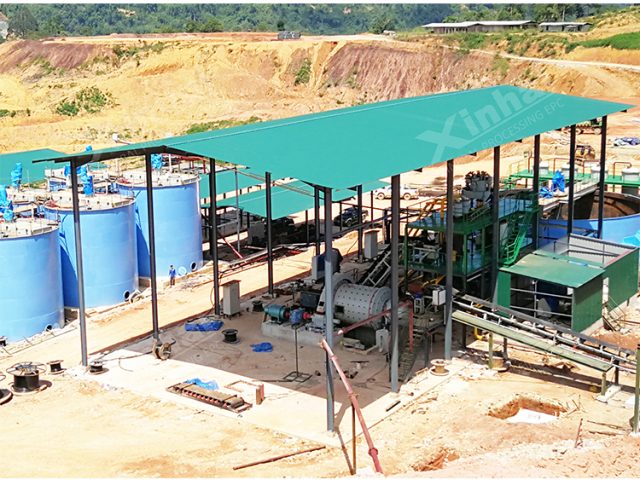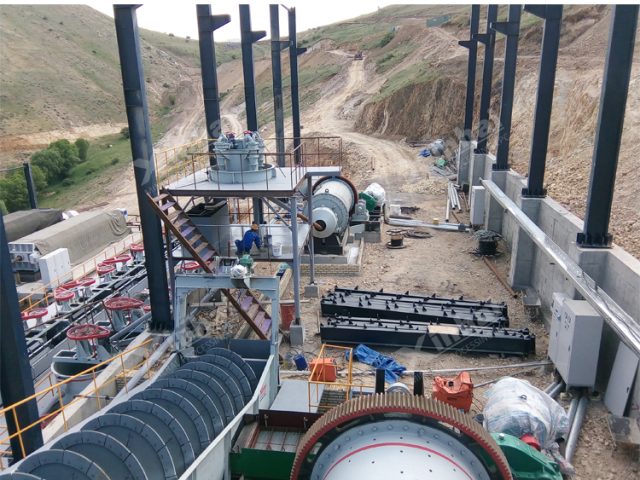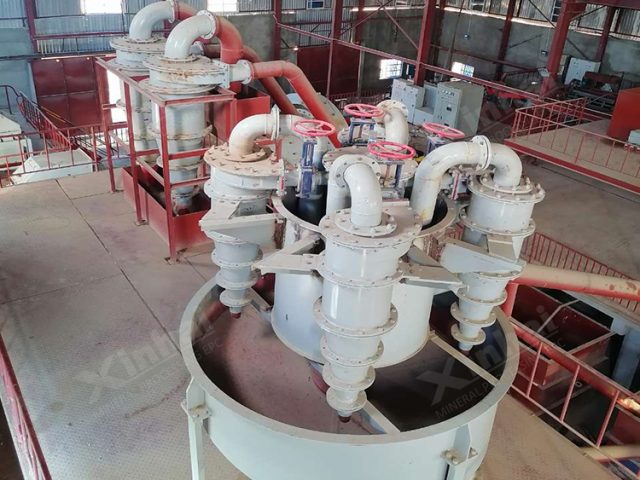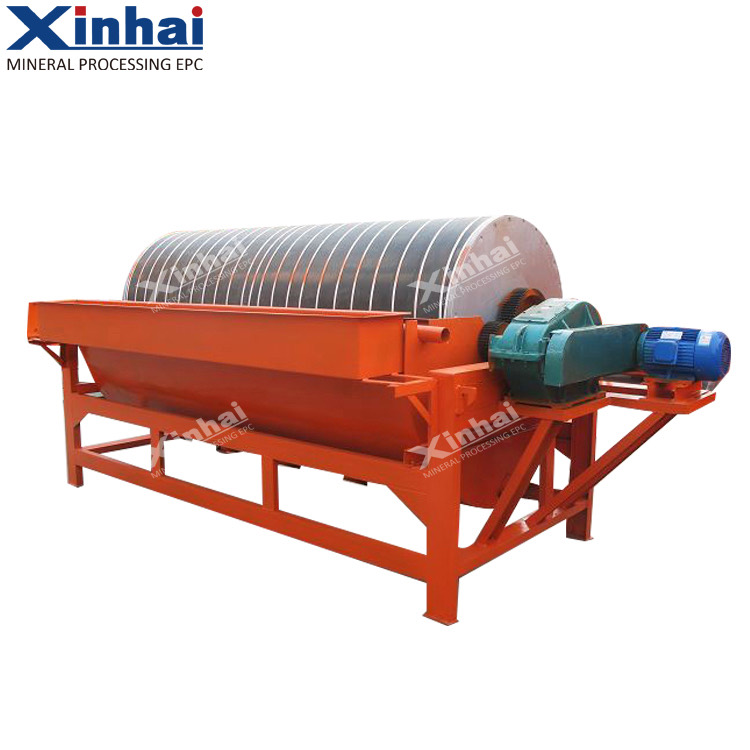
Use wet magnetic separation for fine, wet-ground iron ore (typically below 1-2 mm) where it gives higher grade and recovery with no dust. Use dry magnetic separation for coarser, dry feed, water-scarce sites, or pre-concentration before grinding. Particle size, moisture, water availability and target grade decide which suits your ore.
Magnetic separation is the backbone of iron ore beneficiation, pulling magnetic iron minerals (mainly magnetite) away from non-magnetic gangue. The first decision in any magnetic circuit is wet or dry. Both rely on the same principle – a magnetic field deflects magnetic particles while gangue passes through – but they suit different particle sizes, moisture levels and site conditions. Choosing wrong costs you grade, recovery or water you do not have.
How the two approaches differ
In dry magnetic separation, dry ore passes over or through a magnetic drum or roll; magnetic particles cling to the drum surface and are carried away from the non-magnetic stream. No water is used. In wet magnetic separation, ore is fed as a slurry; the magnetic fraction is captured on a rotating drum in the magnetic field and washed off as a clean magnetic concentrate while gangue exits with the water.
Particle size is the deciding factor
The single most important variable is particle size. Dry separation works well on coarse particles, roughly above 1-2 mm, where individual grains move freely and do not clump. As particles get finer, they agglomerate, trap dust and behave erratically in a dry field, so separation efficiency falls. Wet separation handles fine particles far better because the slurry keeps them dispersed and mobile, which is why finely ground magnetite is almost always processed wet. Most iron ore must be ground fine to liberate the magnetite, so the bulk of magnetite beneficiation worldwide is wet.
Side-by-side comparison
| Factor | Wet magnetic separation | Dry magnetic separation |
|---|---|---|
| Best particle size | Fine (< ~1-2 mm) | Coarse (> ~1-2 mm) |
| Concentrate grade | Higher, cleaner | Lower, may need cleaning |
| Water use | High (slurry + wash) | None |
| Dust | None | Significant, needs control |
| Typical use | Fine magnetite upgrading | Pre-concentration, dry sites |
| Downstream dewatering | Required | Not required |
When to choose wet magnetic separation
Wet separation is the default for upgrading finely ground magnetite to a high-grade concentrate, often 60-68% Fe depending on the ore. It produces a cleaner product with higher recovery on fine feed, avoids dust entirely, and integrates naturally with a wet grinding and classification circuit. The trade-offs are water consumption and the need to dewater the concentrate afterward. A high-intensity wet drum magnetic separator is the workhorse here; explore the full magnetic separators range for field-strength options.
When to choose dry magnetic separation
Dry separation makes sense when water is scarce or expensive, when the feed is naturally dry and coarse, or as a pre-concentration step that rejects waste before grinding, saving energy on the milling stage. Dry roll and drum separators are common for coarse magnetite cobbing and for some weakly magnetic ores at high field intensity. The main challenges are dust management and generally lower concentrate grade, which may need a wet cleaning stage to finish. The dry magnetic separator suits these coarse and arid-site duties.
Field intensity: LIMS vs WHIMS
Beyond wet versus dry, the field strength must match the ore’s magnetism. Strongly magnetic magnetite is recovered on low-intensity magnetic separators (LIMS), typically permanent-magnet drums of a few thousand gauss, which are efficient and cheap to run. Weakly magnetic iron minerals such as hematite, limonite, ilmenite and martite need high-intensity or high-gradient separators (WHIMS/HGMS) operating at much higher field strengths to be captured at all. Getting this wrong is a classic failure: a LIMS drum will leave most of a hematite ore in the tailings. Magnetic susceptibility testing on the actual ore tells you which class of separator and what field strength you need before any equipment is bought.
Grind size, liberation and middlings
Magnetic separation can only sort liberated grains. If magnetite is locked to silica gangue, a coarse grind leaves composite middlings that report partly to concentrate (diluting grade) and partly to tailings (losing iron). Grinding finer improves liberation and grade but costs energy and pushes the duty toward wet separation. The economic grind size is the point where extra liberation no longer pays for the extra milling – usually found by grinding a series of samples and running each through the separator. Multiple cleaning stages then lift grade by re-treating the rougher concentrate. Browse the grinding equipment range, since mill sizing and separator choice are decided together.
Many iron ore plants use both
A common high-efficiency strategy combines the two. Dry magnetic separation runs first as a pre-concentration step on coarse, crushed ore to reject barren gangue cheaply before grinding. The pre-concentrate is then ground and processed by wet magnetic separation to reach final grade. This sequence cuts grinding energy (you only grind ore that contains iron) while still achieving a clean, high-grade concentrate. The wet concentrate then goes to dewatering before shipment.
A typical magnetite flowsheet
- Crush ore and run coarse dry magnetic separation to reject waste.
- Grind the pre-concentrate to liberation size.
- Upgrade with wet drum magnetic separation, often in roughing and cleaning stages.
- Dewater the concentrate with a thickener and filter.
Match the separator to the ore and the site
The wet vs dry choice comes down to particle size, target grade, and how much water the site can supply. Fine magnetite for a high grade goes wet; coarse pre-concentration and water-scarce sites go dry; and many plants stage both. Xinhai sizes magnetic separators from your ore’s magnetic susceptibility and liberation size, and designs the surrounding grinding and dewatering circuit under one EPC+M+O contract. Send your ore details and target Fe grade through the contact page for a recommendation.
Frequently Asked Questions
Is wet or dry magnetic separation better for iron ore?
It depends on particle size and water availability. Wet magnetic separation gives higher grade and recovery on fine, ground magnetite and produces no dust, so it is the default for final upgrading. Dry separation suits coarse feed, water-scarce sites and pre-concentration before grinding. Many magnetite plants use dry pre-concentration followed by wet upgrading.
What particle size suits dry magnetic separation?
Dry magnetic separation works best on coarse particles, roughly above 1-2 mm, where grains move freely without clumping. Below that size, fine particles agglomerate and trap dust, reducing efficiency. For finely ground magnetite, wet separation is preferred because the slurry keeps particles dispersed and mobile, giving a sharper, higher-grade separation.
What iron concentrate grade can magnetic separation reach?
Wet magnetic separation of liberated magnetite typically reaches around 60-68% Fe, depending on ore mineralogy, liberation size and the number of cleaning stages. Dry separation generally produces a lower grade and is often used for pre-concentration rather than final product. These are typical ranges; achievable grade is confirmed by testwork on your specific ore.
Can magnetic separation save grinding energy?
Yes. Running a coarse dry magnetic separation step before grinding rejects barren gangue early, so only iron-bearing ore is sent to the mill. Because grinding is the largest energy consumer in the plant, this pre-concentration can cut milling energy and cost significantly while still allowing a clean, high-grade concentrate from wet separation afterward.
Do I need both wet and dry separators?
Not always, but combining them is often the most efficient route for magnetite. Dry pre-concentration on coarse ore reduces grinding load, and wet separation on the ground pre-concentrate delivers the final grade. Whether both are justified depends on your ore grade, liberation size and water supply. Xinhai recommends the configuration after reviewing your ore testwork.