What a filter press does
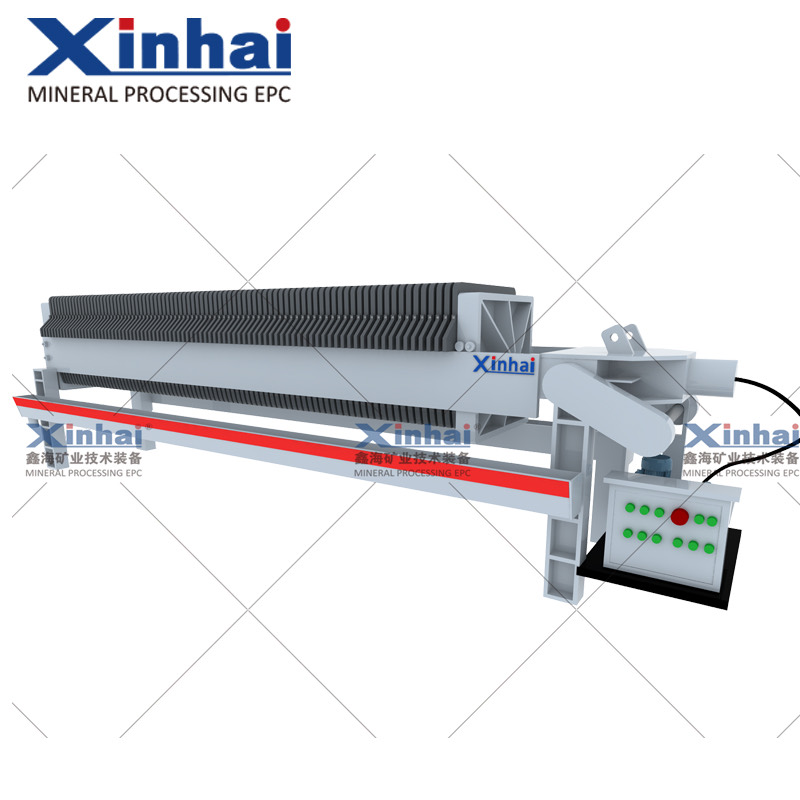
The filter press is the final dewatering stage when you need a dry, handleable cake rather than a pumpable slurry. It takes thickener underflow or concentrate and produces cake at the lowest residual moisture of any mechanical dewatering device, typically 12-25% depending on the material. That makes it standard for filtering metal concentrates for shipment and for producing dry-stack tailings where water recovery and storage rules are strict.
How it works
Recessed plates are pressed together by a hydraulic ram to form a stack of sealed chambers lined with filter cloth. Slurry is pumped in under pressure; solids build up as cake against the cloth while filtrate passes through and drains away. When the chambers are full the press opens and the cakes drop. A membrane (squeeze) press adds an inflatable diaphragm behind each cloth that presses the cake at high pressure to drive out additional water, lowering moisture by several more points.
Selection logic
Sizing is set by the dry tonnes per cycle, the cake-forming rate of your material and the cycle time, all best confirmed by a filtration test. As a rule of thumb, fast-filtering coarse concentrates give short cycles and high throughput, while fine, clayey tailings filter slowly and need more cloth area or membrane squeeze. Xinhai sizes plate count, chamber depth and feed pressure to your dry-tonnage target.
- Lowest cake moisture of mechanical dewatering
- Membrane plates for an extra moisture drop
- Manual, semi-auto or fully automatic plate shifting
- Polypropylene plates and cloths selected to the material
Where it fits and what it costs to run
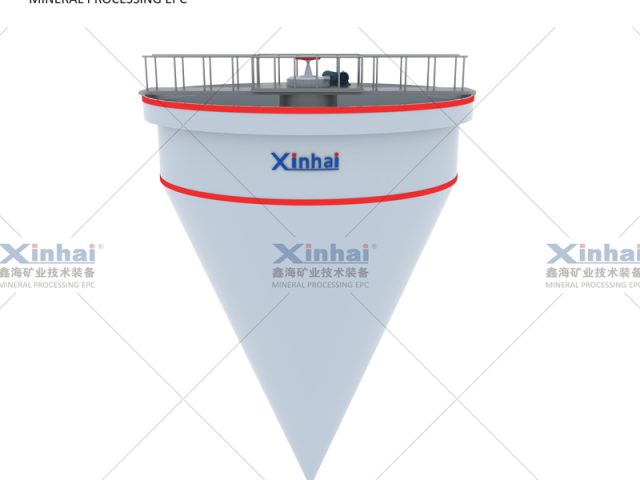
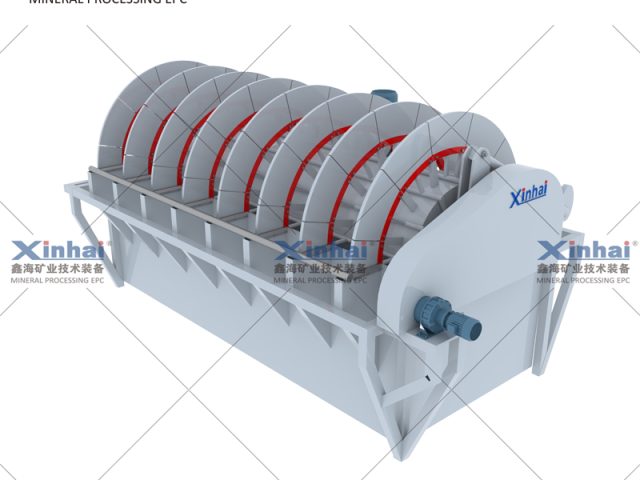
A filter press almost always follows a deep cone thickener, which removes the bulk of the water cheaply so the press handles a dense feed and runs faster. For continuous, lower-cost dewatering of free-filtering concentrates, compare the disc vacuum filter. Filtrate is recycled and cake is conveyed away; cloth life and cake release are the main running concerns, so cloths are quick-change.
See all thickening and dewatering options, and our tailings dewatering guide for how presses compare with thickeners and vacuum filters. To size a press to your slurry, contact our engineers.
Technical Specifications
| Type | Plate-and-frame / membrane (squeeze) filter press |
|---|---|
| Cake moisture | Typically 12-25% (membrane lower) |
| Filtration area | Configurable by plate count |
| Filtration pressure | 0.6-1.6 MPa (membrane higher) |
| Plate material | Reinforced polypropylene |
| Automation | Manual, semi-auto or fully automatic |
| Motor power | 3-15 kW (hydraulic + feed pump) |
| Application | Concentrate filtration, dry-stack tailings |
| Customization | OEM / ODM, sized by filtration test |
Frequently Asked Questions
What cake moisture can a filter press achieve?
Plate-and-frame presses typically leave 18-25% moisture, while membrane (squeeze) presses can reach 12-18% on suitable material by pressing the cake at high pressure after filling. Final moisture depends on particle size and filterability, which we confirm with a filtration test on your actual slurry before sizing the press.
What is the difference between a plate-and-frame and a membrane filter press?
A plate-and-frame (chamber) press forms cake by feed pressure alone. A membrane press adds an inflatable diaphragm behind each cloth that squeezes the cake after filling, driving out more water for lower moisture and shorter cycles. Membrane plates cost more but pay back where dry cake or fast cycling matters.
How do I size a filter press for my tonnage?
Sizing comes from your dry tonnes per hour, the material's cake-forming rate and the cycle time, established by a filtration test. From these we set the number and size of plates and the feed pressure. Fine, clayey material filters slowly and needs more cloth area or membrane squeeze than coarse concentrate.
Filter press or vacuum filter for my concentrate?
A filter press gives the driest cake and suits batch filtration of concentrate or tailings, while a disc vacuum filter runs continuously at lower cost on free-filtering material but leaves higher moisture. Choose the press when low moisture or dry stacking is the priority. Our dewatering guide compares both in detail.