Why core drilling matters
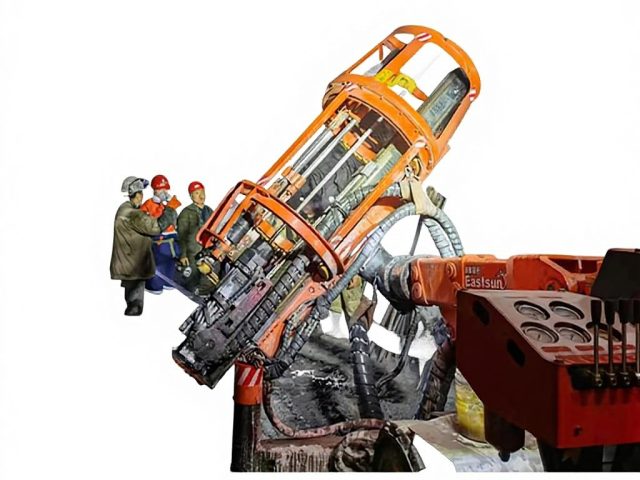
Before any ore is mined or processed, it has to be found and measured, and core drilling is how that is done. A core drilling rig cuts an annular ring with a diamond bit and recovers an intact cylinder of rock, the core, which geologists log and assay to define grade, structure and continuity. The diesel core drilling rig is built for underground exploration, grade control and resource definition where a continuous, undisturbed sample is essential.
How it works
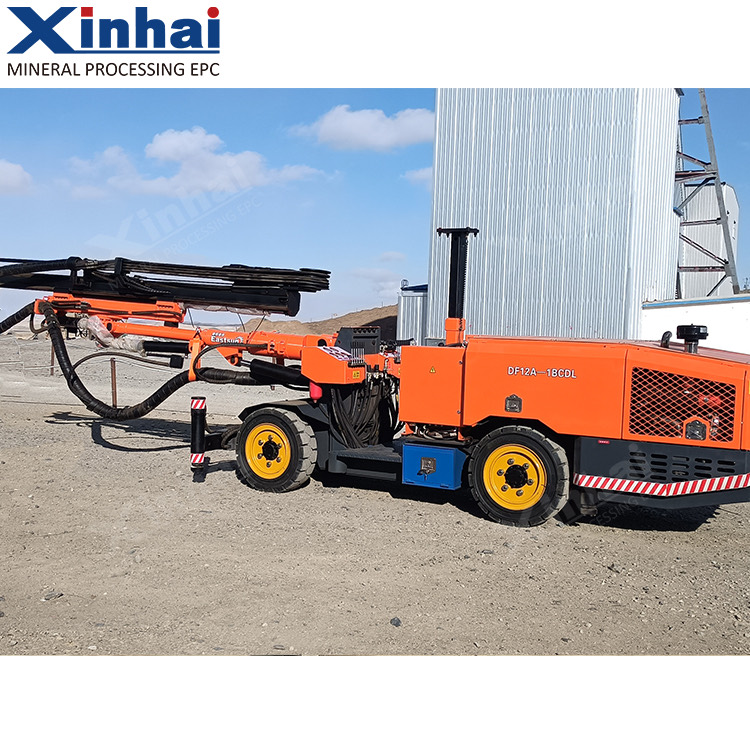
A diamond-impregnated core bit on the end of a rotating drill string cuts into the rock while drilling fluid flushes cuttings and cools the bit. The core passes up into a core barrel; a wireline or conventional barrel system retrieves it without pulling the whole string. Because the rig is diesel-powered and self-contained, it can work in headings and remote sites with no grid power, and tram between drill stations under its own hydraulics.
Selection logic
The key specifications are target depth, core diameter (common sizes such as BQ, NQ, HQ trade core volume against reach) and the rig footprint for your headings. As a rule of thumb, larger core diameters give better sample quality and recovery in broken ground but reduce maximum depth. Xinhai configures depth capacity, mast and feed system, and selects a compact frame for confined underground cuts or a larger surface rig as needed.
- Continuous core recovery for accurate logging and assay
- Diesel power – self-contained for underground and remote sites
- Wireline or conventional core retrieval
- Compact frame options for tight headings
Where it fits the mining cycle
Core drilling sits at the very front of the mine value chain, feeding the geological model that every later decision depends on, from plant flowsheet to mine plan. Once ore is defined and developed, material is moved by an underground LHD loader and trucked to surface for crushing and primary crushing. The drill data also guides the design of the downstream processing plant.
See the full underground mining equipment range. For help configuring depth, core size and rig footprint to your program, contact our team.
Technical Specifications
| Drilling method | Diamond core drilling (wireline / conventional) |
|---|---|
| Depth capacity | Configurable (to several hundred meters) |
| Core size | BQ / NQ / HQ and others |
| Power | Self-contained diesel engine |
| Mobility | Self-tramming hydraulic, compact frame |
| Mast / feed | Hydraulic feed system, configurable |
| Drilling fluid | Water / mud flush for cooling & cuttings removal |
| Application | Underground exploration, grade control, resource definition |
| Customization | OEM / ODM, sized to depth & headings |
Frequently Asked Questions
What depth can the core drilling rig reach?
Depth capacity is configurable and depends on core size and ground conditions, with units available reaching several hundred meters. Smaller core diameters reach deeper while larger cores give better sample quality at shallower depth. Xinhai sizes the rig to your target depth, preferred core diameter and the working space in your headings.
Why choose a diesel rig over an electric one?
A diesel core drilling rig is fully self-contained, so it can work in underground headings and remote exploration sites that have no grid power or where running cables is impractical. It also trams between drill stations under its own hydraulics. Electric rigs suit established workings with reliable power; diesel suits flexibility and remote access.
What core size should I drill?
Common sizes are BQ, NQ and HQ, trading core volume against reach. Larger diameters such as HQ give higher recovery and better sample quality in broken or weak ground, while smaller diameters reach greater depth. The right choice balances sample-quality needs against target depth and ground competence for your program.
Can it be used for both exploration and grade control?
Yes. The same diesel core rig serves greenfield exploration, resource definition and underground grade-control drilling. Continuous core recovery gives geologists an undisturbed sample for logging and assay in all three roles. Configuring the rig for the deepest and most space-constrained holes in your program lets it cover the lighter duties comfortably.